
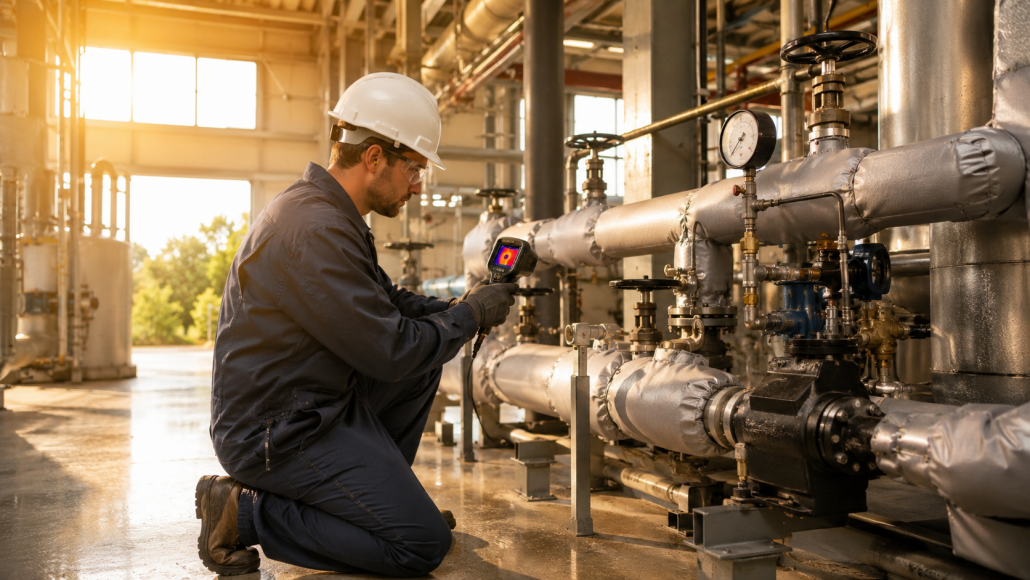
How Does Summer Heat Affect Steam and Condensate System Performance?
Steam systems are often associated with winter heating demands, but summer heat can also create operating challenges. In July, mechanical rooms, boiler areas, and process spaces may become hotter, equipment may run under different load conditions, and maintenance access can be more difficult.
At Colton Industries, we understand that steam and condensate systems need to perform reliably in every season. Summer is a good time to look for heat-related stress, efficiency losses, and components that may be nearing the end of their service life.
Why summer conditions matter
Even though heating loads may be lower, many facilities still use steam for:
- Process heating
- Sterilization
- Humidification
- Domestic hot water
- Food and beverage production
- Industrial operations
Summer heat can make existing issues more visible. A valve that was slightly leaking, a pump that was marginal, or a strainer that was partially clogged may become more noticeable under hot and humid conditions.
Issue 1: Mechanical rooms get hotter
Mechanical rooms can become extremely warm in summer, especially when ventilation is poor. Elevated ambient temperatures can affect personnel safety and equipment reliability.
Watch for:
- Excessive heat around steam lines
- Poor ventilation
- Damaged insulation
- Hot surfaces near work areas
- Heat stress risks for maintenance staff
Proper insulation and well-maintained valves, traps, and strainers can help reduce unnecessary heat loss into the room.
Issue 2: Condensate return problems may become more visible
Condensate return systems may experience different behavior during summer loads. Lower demand, intermittent operation, or process-specific cycling can reveal return issues.
Look for:
- Condensate pumps cycling irregularly
- Receivers running hotter than normal
- Flash steam venting excessively
- Return lines with leaks or restrictions
- Low points holding condensate
A strong condensate return system helps conserve energy and water while reducing stress on boilers and piping.
Issue 3: Valves and seals may show stress
Heat can contribute to wear on packing, gaskets, and seals. During July inspections, facilities should check valves for:
- Stem leaks
- Seat leakage
- Sticking or difficult operation
- Visible corrosion
- Vibration or chatter
- Poor control response
A small packing leak in summer can become a larger maintenance issue later. Catching these problems early helps reduce downtime.
Issue 4: Strainers may restrict flow if neglected
Summer is a good time to clean strainers, especially on process lines that remain active year-round.
Inspect:
- Y-strainers
- Basket strainers
- Screens upstream of steam traps
- Screens protecting pumps or control valves
A partially clogged strainer can reduce flow and increase pressure drop. Cleaning strainers helps protect downstream equipment and supports consistent performance.
Issue 5: Idle or lightly loaded steam lines may waste energy
Some steam lines may remain active even when demand is low. This can create unnecessary radiation loss, trap cycling, and valve leakage.
Ask:
- Which lines are still needed during summer?
- Can any areas be isolated safely?
- Are isolation valves sealing properly?
- Are traps serving idle lines still cycling?
Reviewing idle lines can uncover opportunities to reduce energy waste.
Final takeaway
Summer heat does not eliminate steam system risk. It simply changes where problems show up.
By inspecting mechanical room conditions, condensate return, valves, strainers, and lightly loaded lines, facilities can protect reliability and reduce energy waste during hot-weather operation.
Colton Industries supports year-round steam and condensate performance with valves, traps, strainers, and pipeline specialties designed for demanding industrial and commercial systems.
